School readiness checklist: A simple guide to getting ready for kindergarten
Key Takeaways
Starting kindergarten is about more than knowing letters and numbers. Use this school readiness checklist as a gentle guide to notice useful skills, practise everyday routines, and support your child without turning preparation into a test.
- School readiness includes social, emotional, physical, communication, and self-care skills.
- Children develop at different rates, so avoid treating the checklist as a pass-or-fail test.
- Practise small independence skills through ordinary routines at home.
- Play, stories, conversation, and simple games can build confidence naturally.
- Ask your child’s school and relevant professionals about any ongoing concerns.
Understand what school readiness really means
School readiness is a broad picture of how your child is developing before they begin formal school. It includes communication, movement, relationships, emotional regulation, and the ability to take part in simple routines. A child does not need to arrive knowing everything. The aim is to make the first weeks more manageable while leaving room for learning and growth.
Look beyond early academic skills
Letters, sounds, counting, and shapes are useful foundations, but they are only one part of starting school. Your child also needs opportunities to listen, communicate needs, move safely, and join group activities. Being able to have a conversation, follow a familiar routine, or attempt something unfamiliar may be just as useful as recognising a letter.
Consider social and emotional development
Kindergarten involves waiting, sharing attention, coping with small frustrations, and being around many other children. Your child may still need reminders and adult help, which is normal. Notice whether they can begin to recover after disappointment, express a need, and participate in a short group activity with support.
Account for each child’s individual pace
Children do not develop in a neat sequence. One child may speak confidently but find dressing difficult, while another may manage personal routines yet feel shy in a group. Compare your child with their own previous efforts rather than with siblings, friends, or an imagined standard.
Separate readiness from perfection
A readiness checklist should help you decide what to practise, not label your child. Occasional tears, forgotten instructions, wobbly pencil control, and reluctance to separate can all occur during a normal transition. Progress matters more than polish, especially when your child is learning several new skills at once.
Check essential kindergarten skills
Early classroom skills develop through repeated, low-pressure practice. You can look for what your child can do independently, what they can do with a reminder, and what still needs regular help. This gives you a more useful picture than a simple yes-or-no list.
Practice language and early literacy
Invite your child to talk about their day, retell a familiar story, and explain what they notice in a picture. Play with rhyming words, listen for sounds, and point out print during ordinary outings if it feels natural. Writing a name, recognising letters, or holding a book correctly may develop gradually, so keep the focus on interest and participation.
Build basic math awareness
Everyday tasks offer plenty of chances to notice quantity, order, comparison, and shape. Count steps, sort washing, compare which cup has more, or look for circles and rectangles around the house. These small moments help your child connect mathematical ideas with real objects instead of memorising isolated answers.
Strengthen fine- and gross-motor skills
Drawing, building, threading, playdough, and using child-safe scissors can support hand strength and coordination. Running, climbing, balancing, jumping, and catching help your child feel more comfortable moving through busy spaces. Keep activities enjoyable and stop before tiredness turns practice into a struggle.
Encourage listening and following directions
Start with one familiar instruction, then gradually add a second step when your child is ready. Ask them to put their shoes away and bring their hat, or collect a book and sit at the table. A useful way to observe progress is to notice how different activities affect independence:
| Everyday situation | Skill to notice | Gentle practice |
|---|---|---|
| Getting dressed | Remembering the order of tasks | Lay clothes out in sequence |
| Packing a bag | Finding and returning belongings | Use a simple picture reminder |
| Group activity | Listening while others speak | Play short turn-taking games |
| Tidying up | Starting and finishing a task | Give one clear job at a time |
Afterwards, talk about what helped rather than pointing out every mistake. Calm repetition builds listening stamina, and your child can gradually learn to check what they need to do next.
Assess everyday independence
Self-care skills can make the school day feel less overwhelming. Teachers will support children, but a child who can attempt basic routines has more freedom to join play and learning. Practise in the same order each time, and allow extra minutes so your child is not learning under pressure.
Manage bathroom and handwashing routines
Your child should have regular opportunities to practise using the toilet, flushing, wiping, and washing hands thoroughly. They may still need occasional help, particularly in an unfamiliar environment. Talk about how to ask an adult for assistance and what to do if a routine does not go as expected.
Open lunch containers and manage belongings
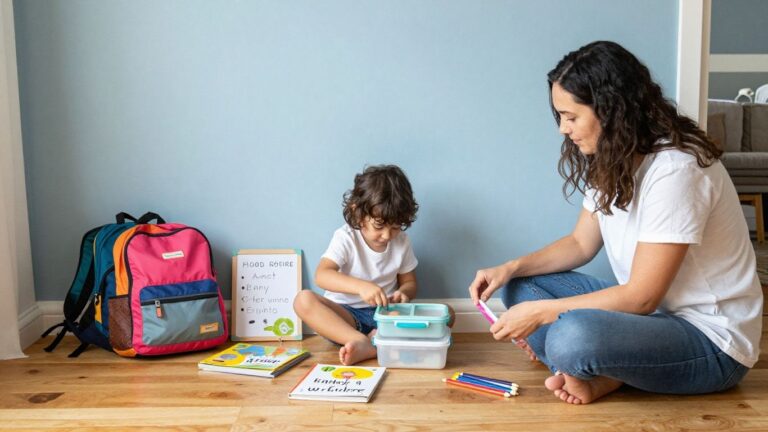
Try lunchboxes, drink bottles, wrappers, and containers before the first day. Choose items your child can open and close with reasonable effort, then practise packing them away again. Labelling belongings and keeping a consistent place for the school bag can also reduce confusion.
Put on coats, shoes, and backpacks
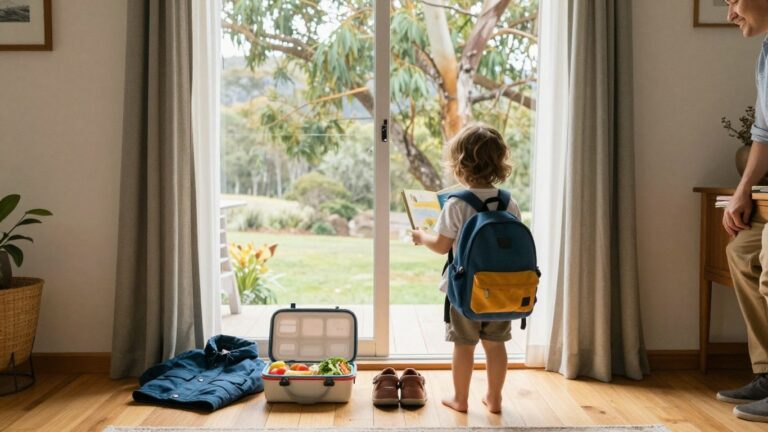
Give your child time to practise zips, buttons, hats, shoes, and backpack straps. It is fine if some fasteners remain difficult; the useful goal is to attempt the task and know when to ask for help. Letting your child choose between two suitable options can make getting dressed feel more cooperative.
Ask for help when needed
Children benefit from having simple words ready for common situations, such as needing the toilet, feeling unwell, losing an item, or not understanding an instruction. Practise these phrases through pretend play. Reassure your child that asking for help is a sensible response, not a failure.
Build social and emotional readiness
The social side of school can be exciting and tiring in equal measure. Your child will meet new adults, negotiate play, wait for attention, and cope with a busy environment. You can support this by practising short, realistic situations rather than expecting perfect behaviour from the first morning.
Practice sharing, turn-taking, and cooperation
Board games, building projects, cooking, and make-believe play all create natural opportunities to wait and take turns. Narrate what is happening: “You had a turn, now it is mine, and then it will be yours again.” Keep games short enough that your child can finish with a positive experience.
Name feelings and use calming strategies
Help your child connect body clues and emotions with simple language. You might say that a tight tummy can happen when someone feels worried, then suggest a drink of water, slow breathing, a quiet corner, or a cuddle. Practise calming ideas when your child is already settled, so they are familiar during harder moments.
Handle short separations from caregivers
Begin with brief, predictable separations from a trusted adult. Explain when you will return using a familiar event, such as after a story or snack, and say goodbye clearly rather than disappearing. If separation remains very distressing, share that information with the school and ask how they prefer to support the transition.
Respond to classroom rules and boundaries
Explain a few simple expectations, such as walking indoors, keeping hands safe, listening when someone is speaking, and packing away. Use consistent language at home and acknowledge cooperation when you see it. Rules are easier to understand when children know the purpose behind them and have chances to practise.
Create routines that make school easier
A predictable home rhythm can reduce the number of decisions your child faces before school. You do not need to recreate a classroom or fill every afternoon with preparation. A steady sleep pattern, unhurried mornings, and time for connection usually provide a stronger foundation.
Set consistent sleep and morning schedules
Move bedtime and wake-up times gradually if they need adjusting. Work backwards from the time you need to leave, allowing space for dressing, breakfast, and the occasional lost shoe. A visual sequence can help your child understand what happens next without you repeating every step.
Practice getting ready without rushing
Try a few practice mornings before school begins. Notice which parts take the longest and prepare those items the night before. Your child may not complete every task independently straight away, but repeated routines can make the process more familiar.
Add reading and conversation to the day
Read together, talk about pictures, sing songs, and invite your child to explain their ideas. Ask open questions without turning every story into a lesson. These conversations build vocabulary, listening, confidence, and a sense that learning belongs in ordinary family life.
Visit the school and talk about what to expect
If possible, walk past or visit the school, look at the entrance, and talk about where you may say goodbye. Keep descriptions honest and reassuring rather than promising that every moment will be easy. Explain that teachers can help, feelings may change during the day, and you will return at the agreed time.
Support skills through play and practice
Play gives children a safe place to repeat skills, make choices, and try again. It also lets you notice what feels difficult without putting your child under examination. Follow their interests, keep practice brief, and allow plenty of time for unstructured play.
Turn learning into everyday games
Sort socks by colour, count fruit into a bowl, build a tower from a pattern, or play “I spy” with sounds and shapes. Pretend school can help your child rehearse putting a bag away, joining a group, or asking a teacher a question. The best activity is usually one your child is willing to repeat.
Use books to build confidence and curiosity
Choose stories about new experiences, friendships, feelings, and trying something unfamiliar. Pause to ask what a character might do next, but also let your child simply enjoy the story. If your child wants to hear the same book repeatedly, that repetition can be comforting and useful.
Practice pencil, scissors, and drawing skills
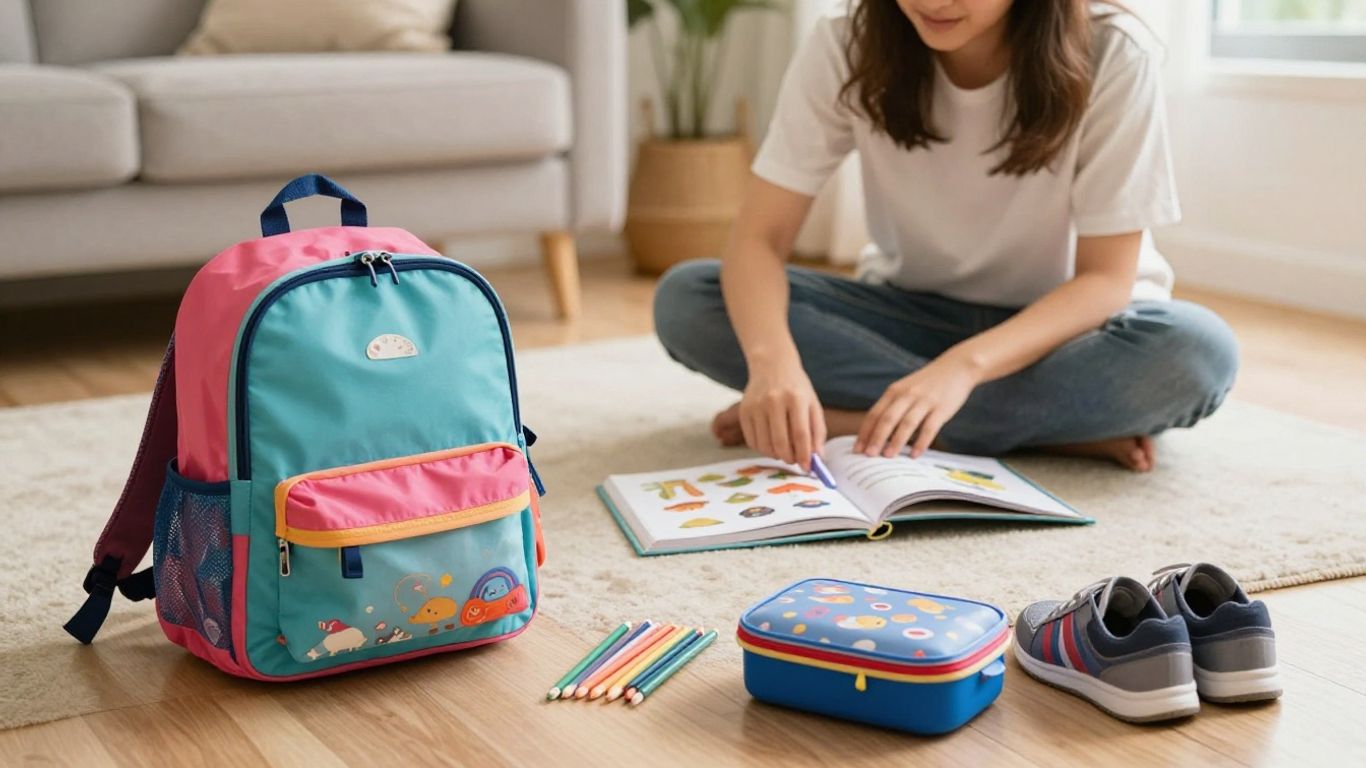
Offer crayons, pencils, paper, playdough, stickers, blocks, and child-safe scissors. Encourage pictures, marks, cutting, and building without insisting that the result look a particular way. Hand control develops through varied movement, not only through tracing worksheets.
Avoid pressure and compare progress thoughtfully
Praise effort, persistence, and problem-solving rather than speed or neatness. If your child refuses an activity, change the approach or return to it another day. A calm adult is often more helpful than an extra worksheet, especially when a child is already tired.
Customize the checklist for your child
A useful checklist reflects your child’s actual life, the school’s expectations, and the support available around them. You might find that most skills are emerging rather than fully independent. Keep notes brief and practical, so the checklist guides your next small step instead of becoming another source of worry.
Review the school’s specific expectations
Ask the school what children usually need to manage before starting and what support is available during the transition. Expectations can differ between settings, particularly around uniforms, lunch routines, arrival procedures, and communication. Direct information is more useful than guessing from general lists online.
Note strengths and skills that need support
Write down a few things your child enjoys and manages well, alongside one or two areas that need practice. Strengths may include curiosity, kindness, persistence, physical confidence, storytelling, or remembering routines. This balanced view helps you support your child without making school readiness sound like a list of shortcomings.
Plan extra help when concerns continue
If a skill remains difficult despite patient practice, speak with your child’s teacher, early childhood educator, or another appropriate professional. Bring specific examples of what you have noticed and when it happens. Seeking guidance early can clarify whether your child needs a different approach or additional support.
Update the checklist as the first day approaches
Review the list occasionally rather than checking it every day. Mark skills that are emerging, note strategies that help, and adjust expectations when your child is tired or unsettled. The checklist should become a record of useful preparation, not a verdict on whether your child is ready to learn.
Conclusion
Kindergarten readiness grows through ordinary moments: talking, playing, trying, waiting, dressing, sharing, and asking for help. Use this guide to choose a few gentle priorities, stay close to your child’s pace, and work with the school when you have questions. A confident start does not require perfection; it begins with feeling supported enough to have a go.
Frequently Asked Questions
What age should a child be before starting kindergarten?
The appropriate starting age depends on your location, the school system, and your child’s circumstances. Check the enrolment rules and speak with the school about the available options rather than relying on a general age-based checklist.
Does my child need to read before kindergarten?
No single reading level defines readiness. Familiarity with books, enjoyment of stories, conversation, listening, and interest in sounds are useful foundations, while formal reading skills can continue developing at school.
What if my child cannot follow several instructions yet?
Begin with one clear instruction and build gradually. Practise during calm routines, ask your child to repeat the instruction if helpful, and tell the school what you have noticed so staff can support the transition.
How can I help a shy child make friends?
Use small, low-pressure opportunities for parallel play, turn-taking, and short conversations. Acknowledge your child’s feelings and let relationships develop gradually rather than insisting they speak or join in immediately.
Should kindergarten preparation include worksheets?
Worksheets are optional and are not necessary for most preparation. Play, books, drawing, movement, conversation, and everyday tasks can develop many of the same foundations in a more relaxed way.
What should I do if separation is very upsetting?
Keep goodbyes brief, predictable, and clear, and practise short separations with trusted adults. Tell the school what happens and ask about its preferred transition plan. Ongoing distress deserves patient support rather than punishment or pressure.
How do I know whether my child needs more support?
Look for patterns that persist across settings or continue to make everyday participation unusually difficult. Share specific observations with the school or an appropriate child-development professional, who can help you decide what support may be useful.